
Mika Ninagawa • Lights of the beyond, Shadows of this world
Location: Taipei
Date: 29th March 2026
Visit Time: February 2026
Category: Sensory Audit / The Digital Backdrop
The Brief: Tactile Spillover
A forensic sensory audit of Mika Ninagawa’s immersive light-and-shadow exhibition. When a curatorial text promising "inner stillness and self-exploration" is projected into a space constructed of low-grade polymers and dense smartphone fluorescence, the commercial narrative suffers a catastrophic fracture. We are not auditing colour saturation; we are auditing the immense Friction between maximalist visuals and cheap tactility—and how the modern subject rents high-concentration optical illusions to serve as a Digital Backdrop for verifying their own existence.

The Scene: Systemic Black and the Anxiety of the "Output"
The transition into the venue is a blunt, deliberate environmental shift. All-black fabric walls and a single, clinical spotlight form a stark Mechanism of atmospheric takeover, forcibly reminding the biological organism: You are now entering a hijacked system.
The spotlight illuminates the preface, issuing a seductive command: "Step into a dreamlike pilgrimage... evoke the stillness deep within."
As a former photography student who once mimicked this high-saturated aesthetic, I entered with an expectation of aesthetic resonance. The dark void physically assists the brain in entering a "standby mode," suspending breath for a micro-second.
However, the sensory receptors did not capture the promised "stillness." Instead, they were met with a sea of glowing smartphone screens in the gloom. The crowd was engaged in a frantic choreography—manoeuvring bodies into the scenery, barking irritable posing instructions. The air was thick with the frenzied anxiety of the mandatory "social media output." Here, the artwork is stripped of its right to be gazed upon; it is reduced to a high-concentration Green Screen.
Dimension 1: The Sanitised Death
The most severe sensory fraud occurs in the discourse on mortality.
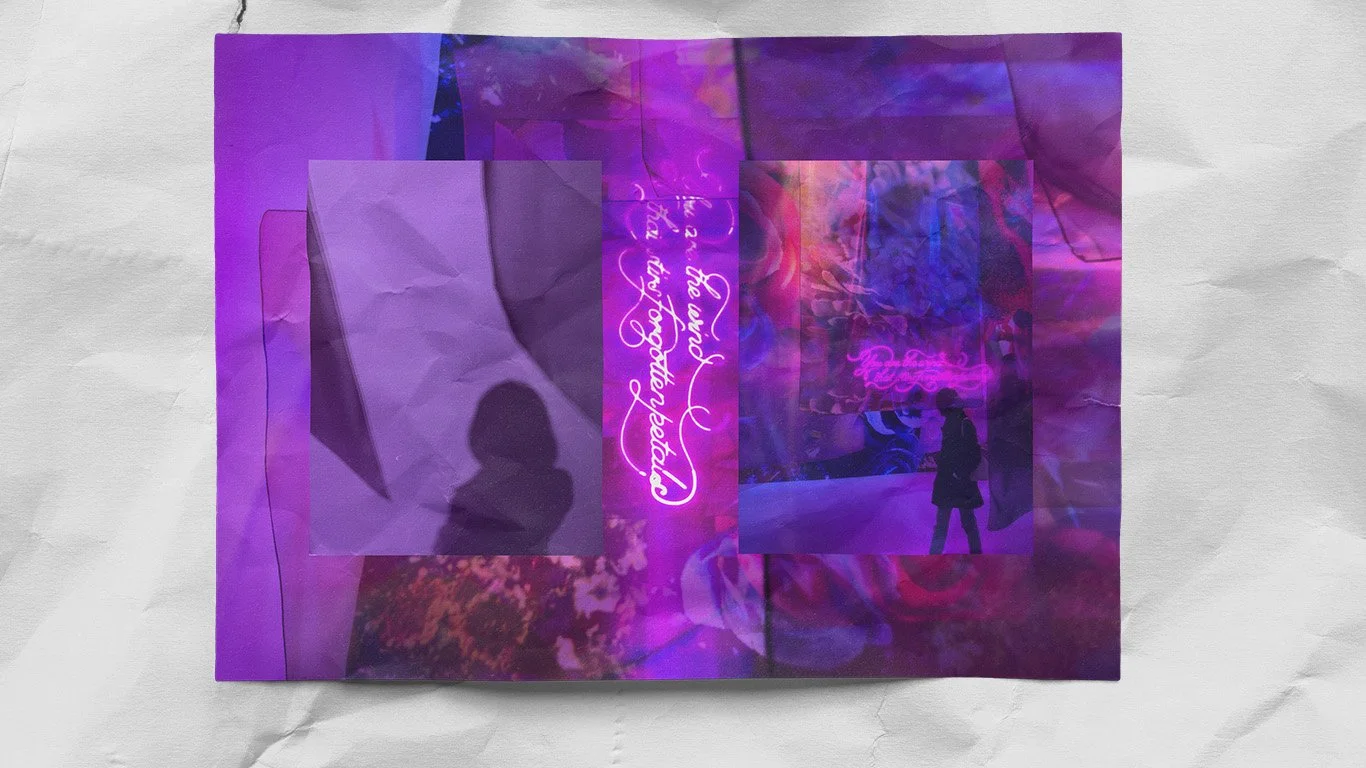
The text for Remains of Life speaks of "memorial traces of life and death... only that which decays can carry true hope." I looked up at the translucent gauze, behind which vibrated a wall of neon lights and vivid blossoms. At that moment, the brain’s algorithm suffered a severe disconnection. In our cultural syntax, these high-saturated blue and red roses correlate only with "Romance"; they have zero currency with Death. Genuine mourning does not employ artificial flowers that refuse to wither.
Death, decay, and wreckage—physical realities that should be coarse and uncomfortable—have been "bleached" by hyper-saturated light. This morbid beautification provides no real catharsis; it only triggers a physiological rejection of the gaudy falsehood. Real death does not require the accumulation of two thousand crystals; it requires a void, a single real flower, and a mirror. Allowing the visitor to witness actual wilting (The Friction of Time), would have been true Organic Autonomy.
Dimension 2: The Physiological Hijacking of Meditation
In the zone titled Dreams from the Other Side of the Abyss, the system commands the viewer to enter a "meditative atmosphere."
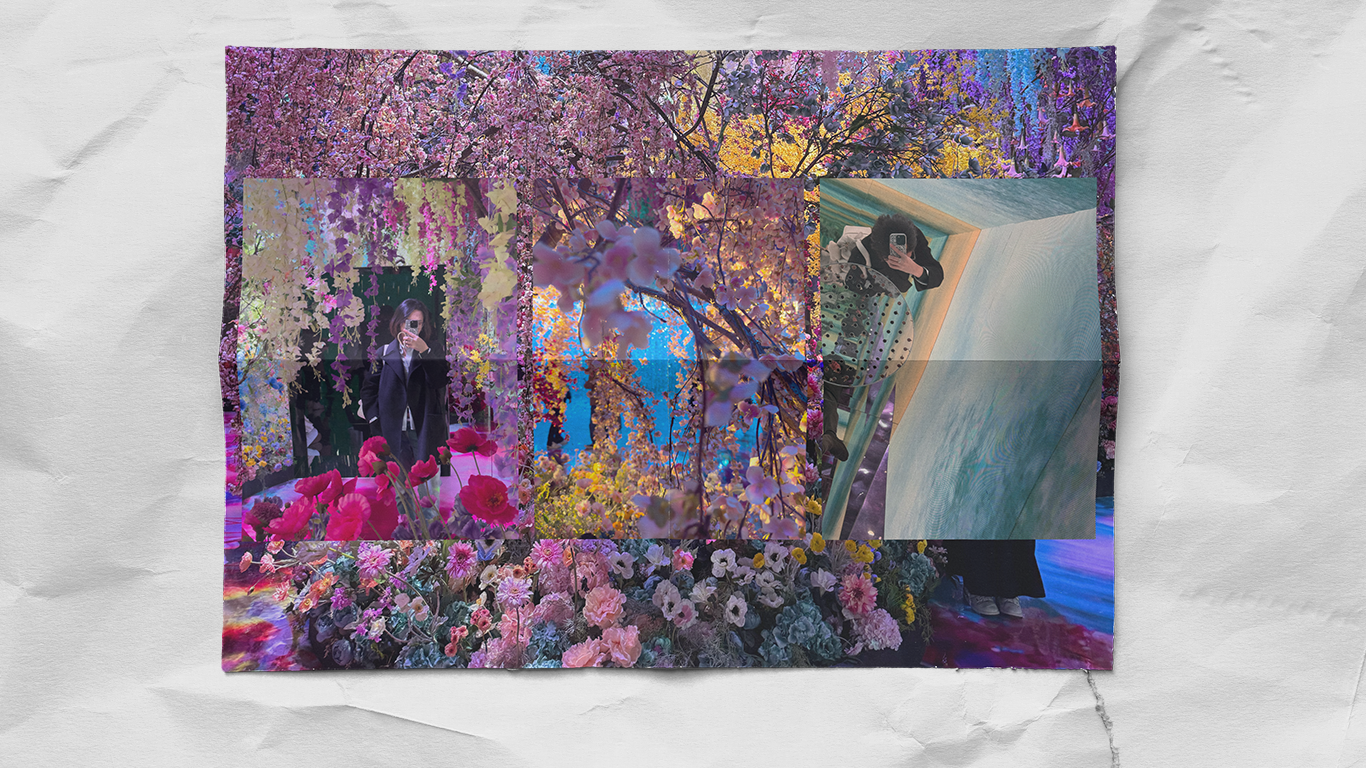
However, the physical Mechanism delivers contradictory data: high-luminance LED panoramas, dizzying animations that make standing difficult, and mirrors beneath the feet. This design attempts to simulate the "loss of bodily sensation" associated with near-death experiences, but these high-frequency stimuli forcibly strip the brain of the cognitive resources required for deep reading.
The organism is thrust into a Fight or Flight response. To demand soulful exploration in a high-intensity level filled with sensory noise is a significant System Error (The Glitch). Under such violent physiological hijacking, the body makes an honest, human decision: to escape. "Meditation" here is an invalid, unexecutable instruction.
Dimension 3: Grand Narratives and the Inverted Butterfly (The Ultimate Glitch)
When the exhibition attempts to tackle advanced sociological propositions—"a shift from the gazed-upon to the gazer... a tribute to women"—physical reality offers the ultimate irony.
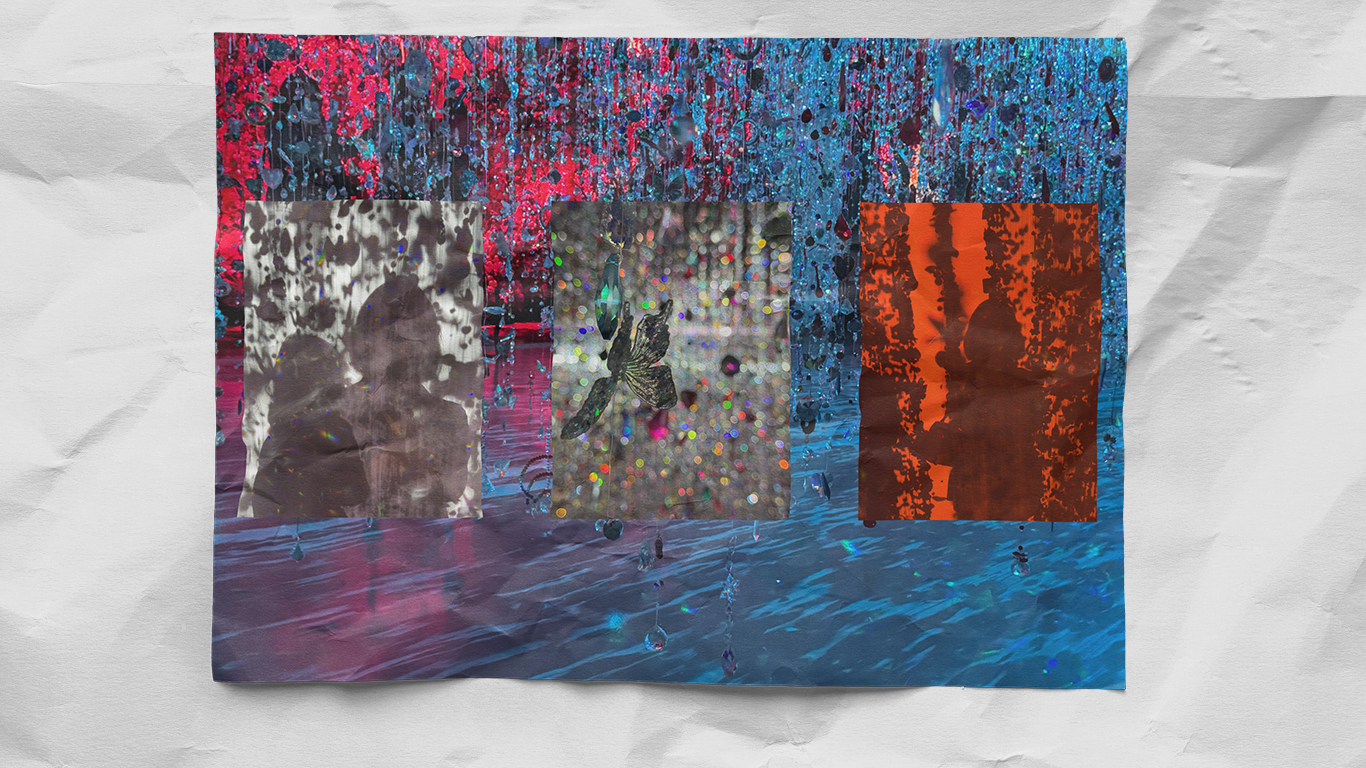
Under a persistent Gaze, the "crystals" supposedly "shining with the light of life" expose themselves as cheap plastic with visible industrial moulding marks. The fatal Glitch? A plastic butterfly, suspended upside down due to the negligence of an assembly-line worker. The lofty curatorial metaphors shatter against the crude physical execution.
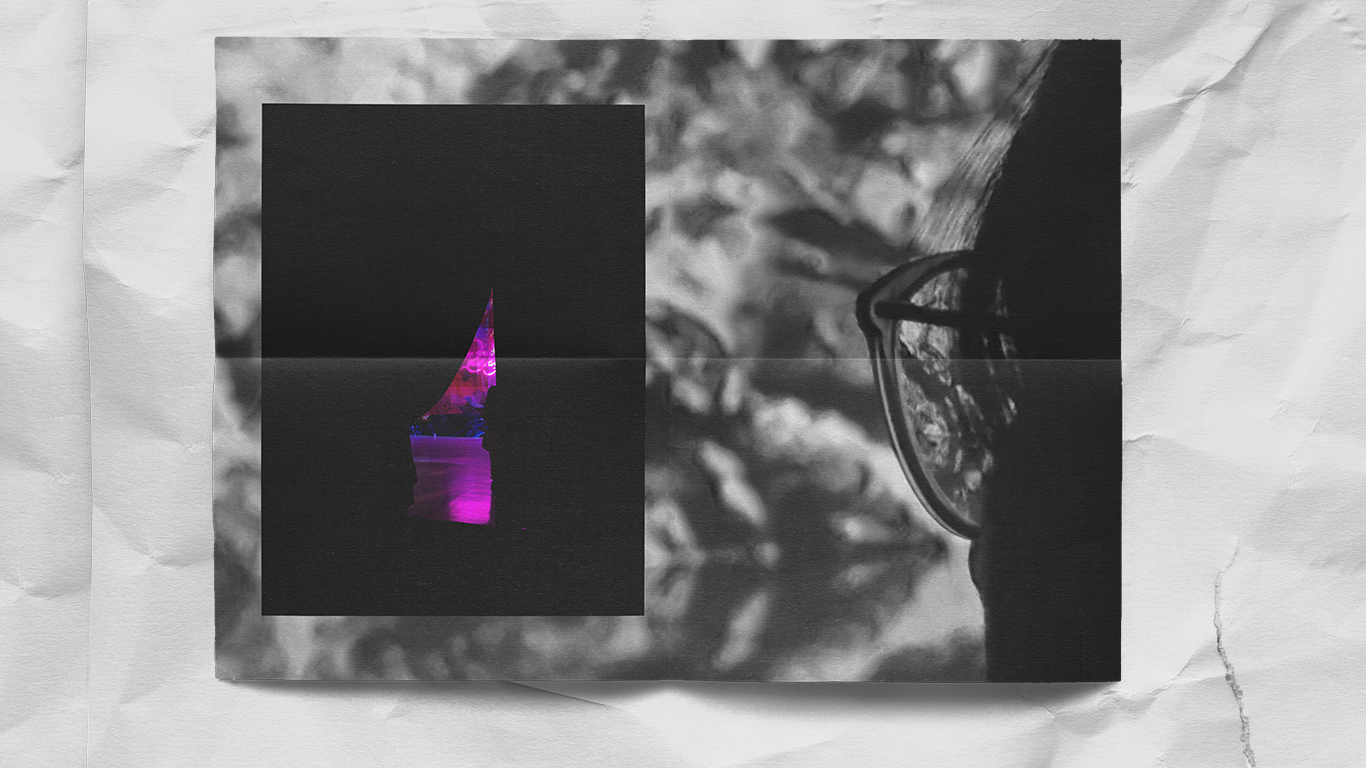
The only honest data in this controlled commercial set appeared in the blind spots ignored by the organisers. The true aesthetic lived not in the suspended plastic, but in the Optical Byproducts: the distorted, colourful patches of light projected onto the scratched, raw industrial floor.
These shadows are fluid; they engage in a genuine interaction with a coarse reality. Looking at these floor-bound reflections, I found a more compelling reflection on life: when we leave this world, our vibrant memories might be just like these shadows—stripped of their gaudy hues, but leaving a definitive, honest trace.
Limits & Bias: The Auditor’s Sober Observation
One must acknowledge the limits of the auditor’s lens. A sensory radar tuned to photographic history and obsessed with physical detail is fundamentally incompatible with a mass-consumption "photo-op" exhibition.
Objectively, in the current Attention Economy, to achieve such a commercial victory using minimal resources (plastic, mirrors, looped projections) is an absolute win in terms of Business Efficiency. For a consumer seeking a high-concentration dopamine hit to verify their existence on a feed, the transaction is perfectly equitable.
The Takeaway / The Verdict
Keep: The Gaze upon Byproducts
Retain the ability to notice the unplanned light patches and shadows on the floor. Within an over-engineered commercial machine, learn to find the organic beauty at the edges of the system.
Let Go: The Illusion of Grand Narratives
Relinquish the expectation that a "photo-op space" can facilitate profound self-discovery. Admit it is an efficient engine for social media content. Strip away the heavy cloak of "Life and Death," view it as pure visual consumption, and the Sensory Friction will vanish.
Look Elsewhere
When exhibitions on mortality are stuffed with plastic and projections, we must return to actual nature. Pick up a decaying leaf. Seek a life cycle that hasn't been treated with preservatives.
