
SPACE
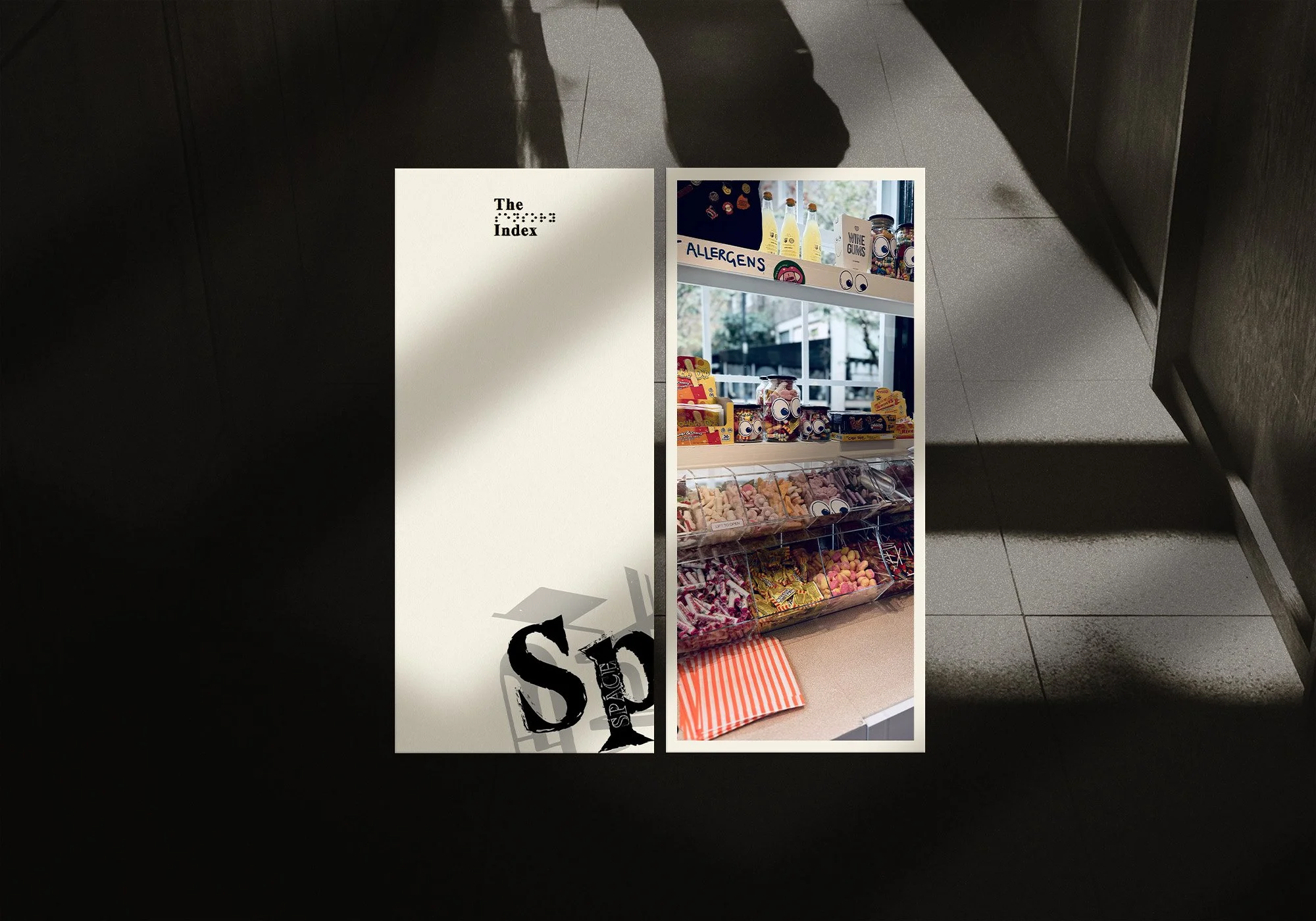
The volume that contains the rest. An audit of light, acoustics, and the way a room breathes. Architecture that shapes not just the view, but the mood.
The Sensory Index



The volume that contains the rest. An audit of light, acoustics, and the way a room breathes. Architecture that shapes not just the view, but the mood.
A forensic sensory audit of Mika Ninagawa’s immersive light-and-shadow exhibition. When a curatorial text promising "inner stillness and self-exploration" is projected into a space constructed of low-grade polymers and dense smartphone fluorescence, the commercial narrative suffers a catastrophic fracture. We are not auditing colour saturation; we are auditing the immense Friction between maximalist visuals and cheap tactility—and how the modern subject rents high-concentration optical illusions to serve as a Digital Backdrop for verifying their own existence.
This is a sensory audit of unDer Lab, an appointment-only cocktail space in Taipei. When a desert escape branded as "Absurdism" is packaged into a Sunday-only, 90-minute table-turnover rate alongside bilingual commentary from bartenders in standard black shirts, the commercial script suffers a structural fracture. In the void left by the absence of a "Recalibration" space, it is the objects—an iron ball pulled by magnets, a card revealed by heat—that hijack the sensory system with real, physical friction.
In Kuala Lumpur's Chinatown, 'incompletion' is usually a defect. At Chocha, it is the final state. Field Note 003 audits the intersection of architectural nudity and the 'Hentam Series' menu—where the preservation of decay meets the preservation of flavour (fermentation). A study in raw textures and sensory overload.