Knock-offs vs counterfeits: the plain English line
Section I: Drawing the Lines
Date: 20 November 2025 (Original data: 2018)
Filed under: The Archive / Look, Not Logo
The Executive Summary
Words are steering wheels. Knowing the precise line between a knock-off and a counterfeit reduces moral static.
Counterfeit: Identity theft. Illegal. A lie.
Knock-off: Aesthetic mimicry. Legal (mostly). A look.
1. The Definitions
The confusion is understandable because both take off from the same runway of resemblance. But legally and psychologically, they land in different airports.
The Counterfeit (The Lie) A product designed to deceive. It reproduces the original’s name, trade marks, or packaging to pass as the real thing. Think: Logos, labels, swing tags, and boxes cloned on purpose. The intent is to trick the eye—or at least the audience—into believing you own the source material.
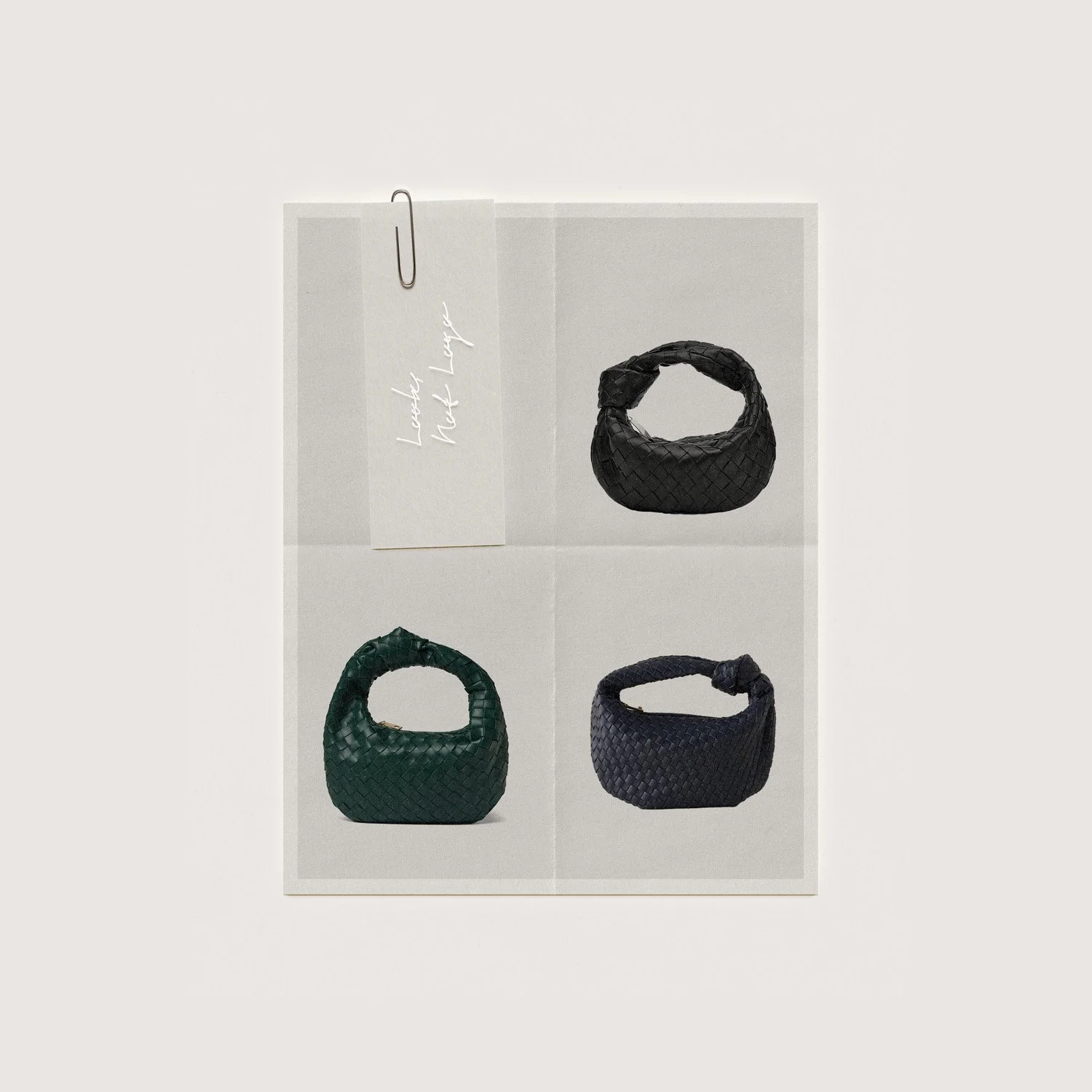
The Knock-off (The Look) A product that imitates style, silhouette, and details without using the brand name or specific trade marks. It aims for a vibe, not a fraud. It says: "I look like that thing," not "I am that thing."
2. The Law (Without the Headache)
Note: This is editorial research, not legal advice.
Across the UK, US, and EU, the pattern is consistent: Identifiers are easier to protect than "vibes." Trade mark law targets the signals that tell shoppers who made the thing (logos, names). Design protection can cover shapes and prints, but the boundaries are messy and fact-specific. The Bottom Line: A brand owns its name. It rarely owns a generic shape.
Case Study A: When does a shape become public property?
Van Cleef & Arpels vs. Louis Vuitton (The Four-Lobed Motif)
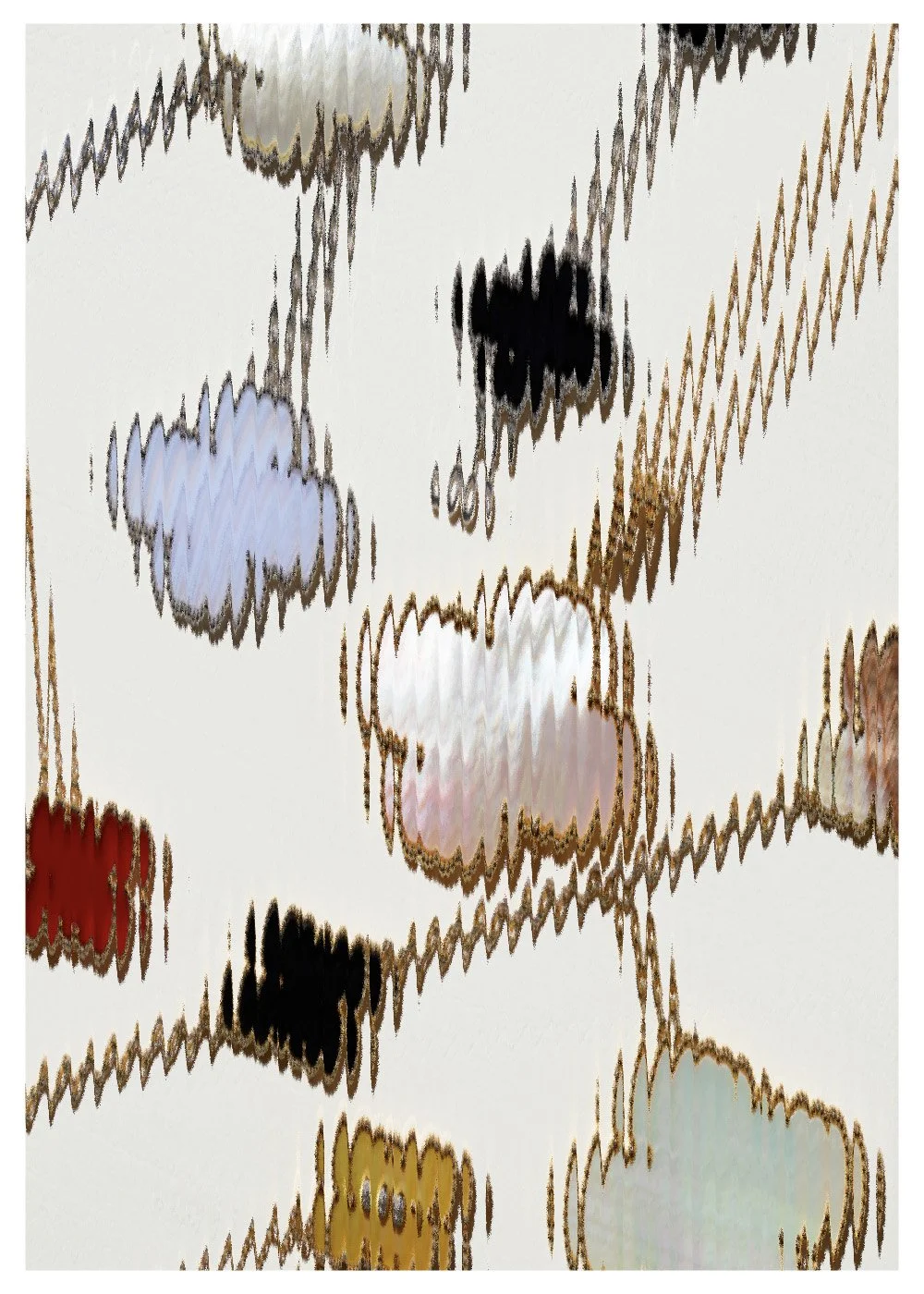
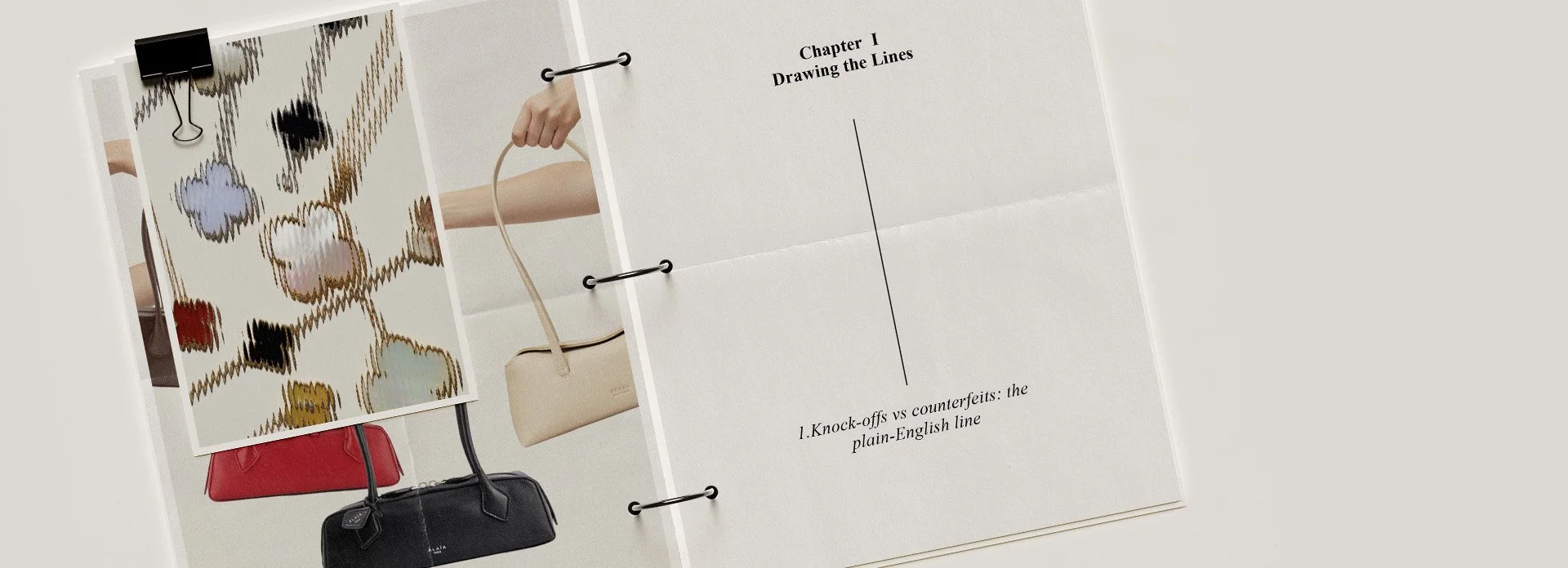
The Conflict: Van Cleef’s Alhambra collection (1968) owns the "clover" look. In 2015, Louis Vuitton launched its Blossom collection, also using four-lobed motifs. Van Cleef sued for parasitism. The Verdict (2023/2025): The Paris courts dismissed the claim. The Logic: The court ruled that the differences were sufficient for a "well-informed consumer." Crucially, they treated the four-lobed motif as part of a broader jewellery trend. Louis Vuitton was following a market current, not just Van Cleef. The Everyday Signal: Walk through any weekend market in London and you will see trays of clover pendants for £10. That is the lived version of a design slipping from "signature" into "style." Once a shape becomes a category, no single brand can lock the gate.
Case Study B: The Limits of Stripes
Gucci vs. Forever 21 (2017)
The Conflict: Gucci challenged Forever 21 over items featuring blue-red-blue stripes, arguing they were brand identifiers. Forever 21 sued back, asking for a declaratory judgment that stripes are "ornamental and decorative," not brand property.The Everyday Signal: Spot a bomber jacket with red-green trim on the High Street. Does your brain read it as "Sporty" or does it whisper "Gucci"? That whisper is the grey zone. If it whispers too loudly, it’s a trade mark issue. If it just mumbles, it’s a trend.
3. The Shift: Fast Fashion & The "Dupe"
Fast fashion compresses time. A look lands on a runway. Days later, it hangs on a rail. As imitation becomes wallpaper, "inspired by" starts to feel ordinary. Then, social media rebranded the knock-off as the "Dupe." This is a critical linguistic shift.
"Knock-off" sounds cheap and potentially illicit.
"Dupe" sounds smart. It frames the purchase as consumer wisdom—a "hack" to beat the system. Language often arrives after the habit is formed to justify the behaviour.
4. Why the Distinction Matters for You
This isn't just about avoiding a lawsuit; it's about defining your own narrative.
Ethics & Self-Story If you avoid counterfeits but buy look-alikes (knock-offs), your narrative is about valuing Taste over Status. You like the shape of the bag, but you don't need the logo to validate it. That is a position of confidence. Buying a fake logo is a position of pretence.
Shame & Disclosure Many buyers will happily admit, "Oh, it's just High Street." In this scenario, a compliment on your outfit lands as recognition of your styling ability (you found a gem). With a counterfeit, a compliment lands as a stress test (will they spot the fake stitching?).
The Brand Effect Knock-offs accelerate the trend cycle. They overexpose a look until it signals fatigue, forcing the original brands to iterate faster. You are part of that engine.
Practical Audit: The Binary Test
Before you buy, run this quick diagnostic:
Does it have the logo/monogram?
Yes → Counterfeit. Illegal. Avoid.
Does it just share the silhouette/fabric/vibe?
Yes → Knock-off. Legally grey. Your choice.
The Safer Stance: Prefer "inspired-by" pieces that capture the mood but don't trace the homework stitch-for-stitch.
Takeaway
Keep: The mental distinction between style imitation (The Look) and trade mark deception (The Lie). Let Go: The snobbery that says all affordable look-alikes are "fake." Look Elsewhere: We explore "Signals Without Logos" in the Active Force of Inert Objects series.
Further Reading (Source Code):
Van Cleef v Louis Vuitton: Court of Cassation dismissal of parasitism claims (March 2025).
China IP Court: Van Cleef & Arpels’ 3D trade mark invalidation.
Gucci vs Forever 21: The declaratory judgment strategy (2017).
-
0.Preface: The Return of Sight
A 14-part audit of the scripts behind our purchases.
1.Knock-offs vs counterfeits: the plain-English line
A clean definition that stops "dupe" from fogging the legal reality.2.Money is the First Gate: The Economics of a Look
Price is a filter, not a verdict. Here is how to read it without snobbery.3.The field guide: original, dupe, or nothing
A practical test for your eye, before you commit to the cart. -
4.A short history of copying: from couture salons to TikTok feeds
Copying did not start online. It just got rewarded there.5.The fast-fashion engine: how speed industrialises time
Speed is the product. Clothing is the by-product.6.When stripes become trade marks: where style trespasses into source
The moment design becomes identity, and identity becomes a boundary. -
7.Emotions in the fitting room: guilt, pride, and the compliment effect
The mirror is emotional. The purchase follows the feeling.8.The buyer archetypes: a map of five inner logics
Five purchase motives, five stories we tell ourselves.9.Platforms and pressure: how feeds script our taste
Your taste is not pure. It is edited in public.10.Reading Quiet Luxury (Part I): cut, cloth, and composition
Quiet Luxury begins in construction, not a colour palette.11.Reading Quiet Luxury (Part II): the old-money filter
A status aesthetic that hides its own loudness.12.The minimalist’s paradox: when owning less becomes its own excess
Minimalism can become a costume. Let us make it a choice. -
13.What dupes do to brands: acceleration, substitution, and overexposure
Dupes do not only copy products. They copy attention.14.How we listened: the 13 interviews behind the insights
The method, the voices, and what people meant off-script.15.Limits, bias, and your next steps: the final action sheet
What this series cannot prove, and what you can do.