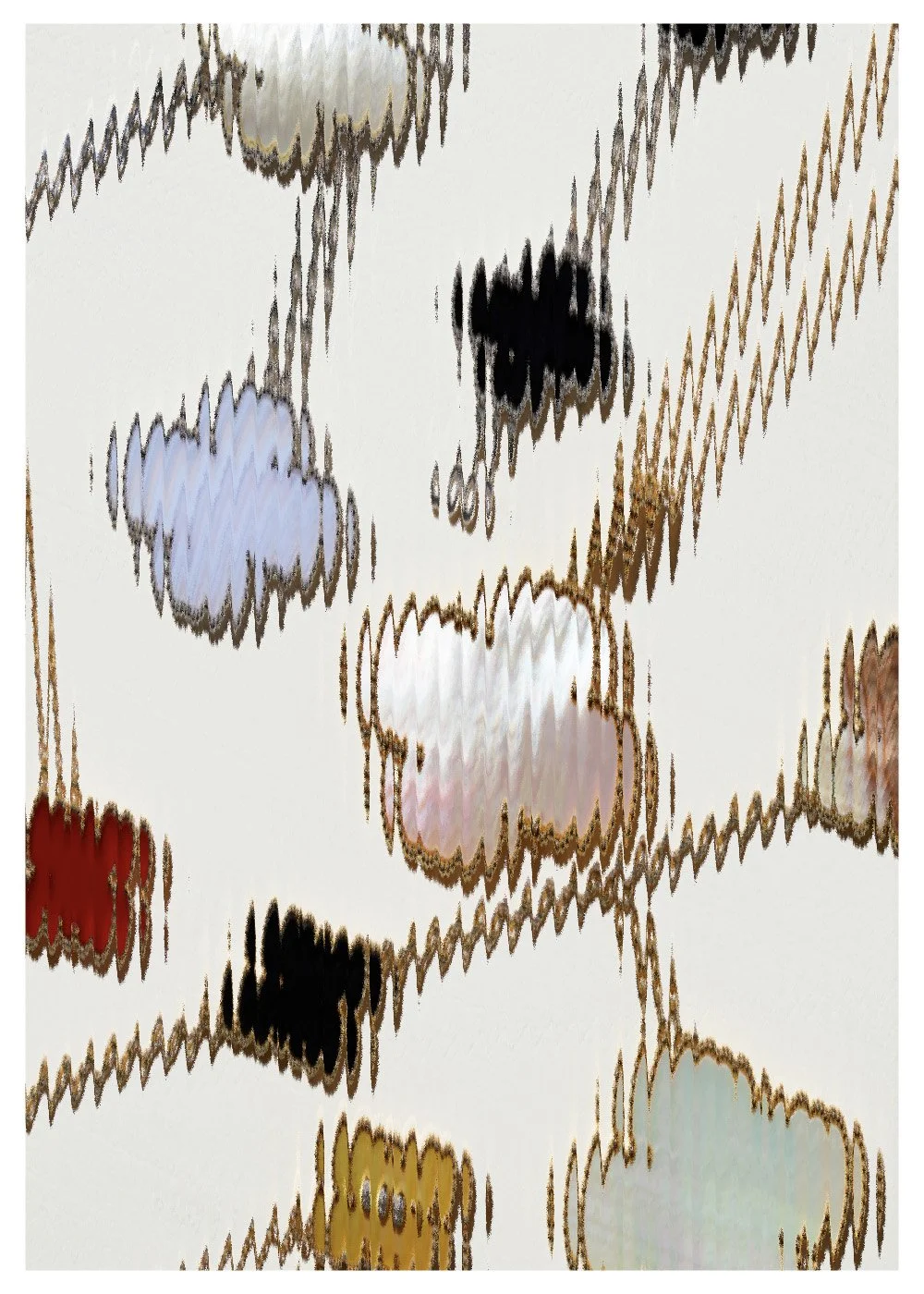
Series Introduction: Preface: The Return of Sight
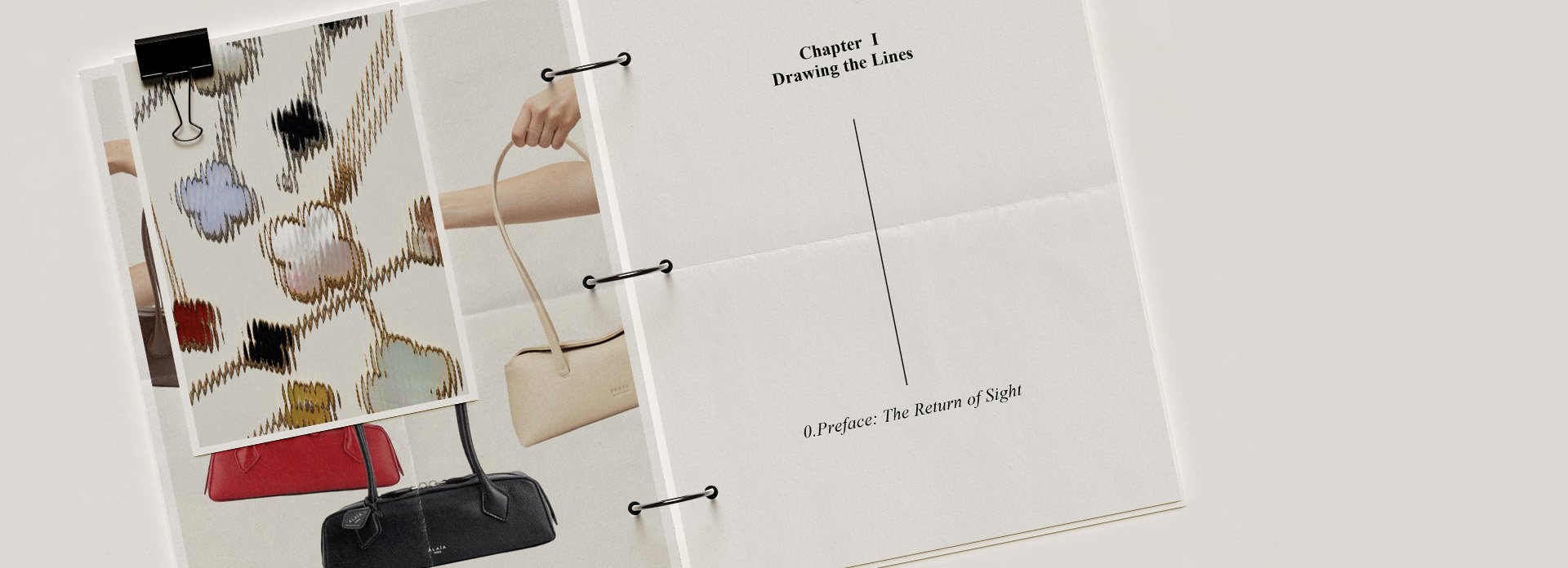
Author’s Note: Version Control
The core data for this archive originates from September 2018. Back then, niche labels were fighting for survival against a wave of fast-fashion imitation. In a quiet supervision meeting, I found myself having to spell out the legal difference between a "knock-off" and a "counterfeit." Seven years later, the context has shifted. Social media has rebranded the knock-off as the "dupe." It turned a legal grey area into a form of consumer wisdom, a dependable engagement hack on TikTok. Some observations from 2018 may read as conservative now. That is precisely why this archive is being reorganised in 2025. Look, Not Logo fuses original academic insights with contemporary case studies, from the quiet aggression of SHEIN to the rise of Quiet Luxury. This is not a static report. It is a living project. As consumption evolves, our observations will keep pace.
The Brief
We live in the age of the infinite scroll. In this landscape, algorithms no longer serve us objects. They serve us desires we did not know we had. Amidst the noise, the logo becomes a shortcut. It is a badge we buy to signal who we are, saving us the trouble of knowing what we actually like. This is a form of blindness. When we look at a garment and see only the brand, we stop seeing the object. We stop seeing the cut, the cloth, the labour, and the logic. We hand our judgement over to a marketing department. Look, Not Logo is a project dedicated to dismantling that shortcut. It is not a lecture on minimalism. It is not a critique of "dupe culture" or a defence of luxury pricing. Fundamentally, it is an invitation to regain a lost technical skill: visual literacy.
The Architecture of Choice
To build this archive, we revisited in-depth interview records from 13 millennial consumers, analysed intellectual property frameworks, and traced the industrial engines of fast fashion. We found a recurring bug. Many consumers used knock-offs to project personality at low cost, but the behaviour was underpinned by a confusion of language. We mistake style (a silhouette) for source (a brand). We mistake price (a number) for value (utility). This series is structured to untangle those knots across four dimensions.
I. The Lines (Definitions)
Precision in language leads to precision in thought. We map the history of copying and draw the crucial line between a style knock-off and a deceptive counterfeit.
II. The System (Industry)
We examine why price is often the first gate. We look at how to use lower-cost items not as pretences, but as prototypes: a way to test a new identity with less risk.
III. The Self (Psychology)
Based on interview data, we enter the fitting room to decode the guilt, pride, and anxiety that shape our purchases. Why do we frame this as a "smart substitution"?
IV. The Transfer of Authority (Action)
When the "dupe" becomes social capital, we are outsourcing our aesthetics. But when you learn to read an object—to judge a blazer by its shoulder seam rather than its label—you reclaim authority. This series aims to move power from the brand, whether a luxury house or a fast-fashion giant, back to the buyer. It is for those who want to own their logic, not just wear a label.
Welcome to the archive.
R. tobekeep
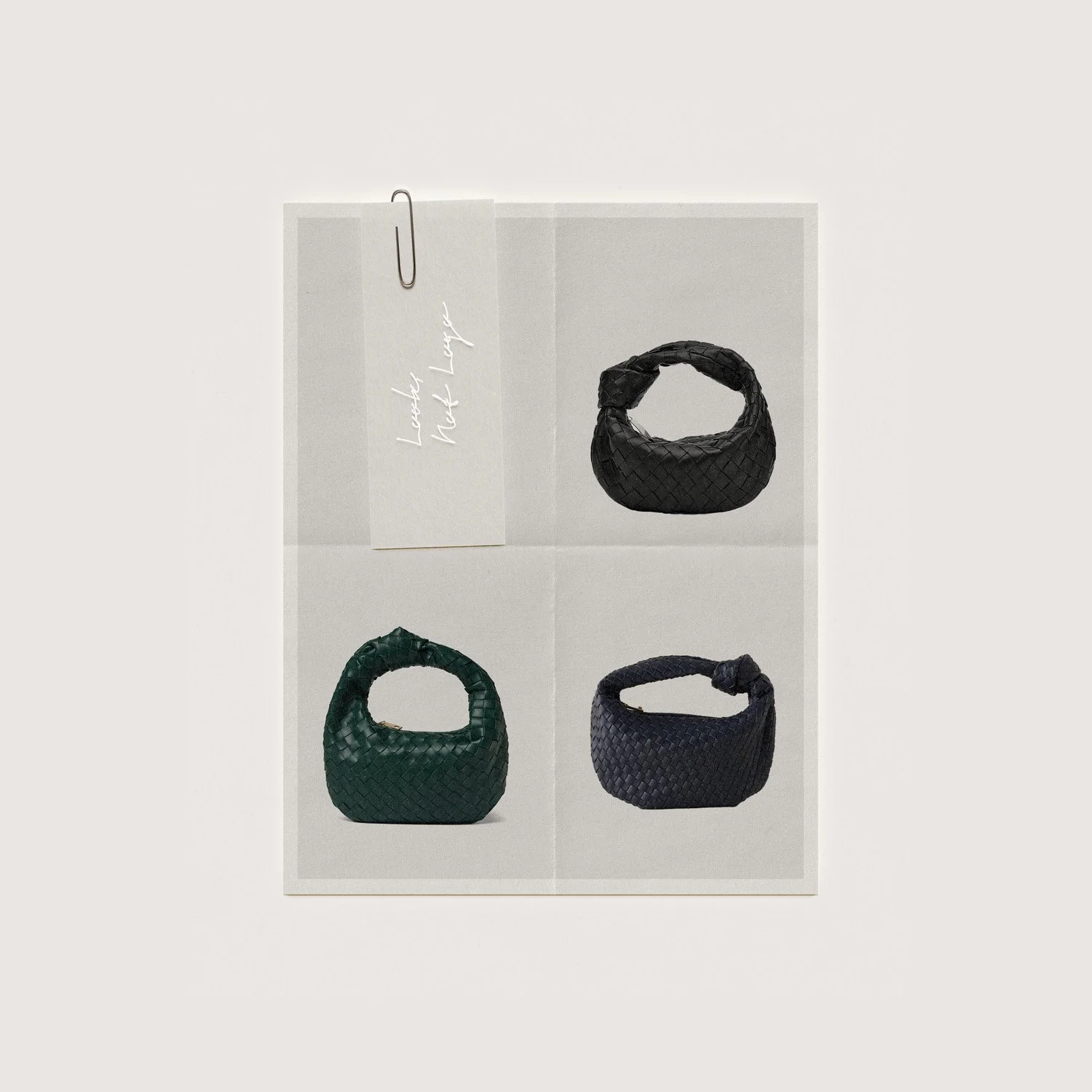
-
0.Preface: The Return of Sight
A 14-part audit of the scripts behind our purchases.
1.Knock-offs vs counterfeits: the plain-English line
A clean definition that stops "dupe" from fogging the legal reality.2.Money is the First Gate: The Economics of a Look
Price is a filter, not a verdict. Here is how to read it without snobbery.3.The field guide: original, dupe, or nothing
A practical test for your eye, before you commit to the cart. -
4.A short history of copying: from couture salons to TikTok feeds
Copying did not start online. It just got rewarded there.5.The fast-fashion engine: how speed industrialises time
Speed is the product. Clothing is the by-product.6.When stripes become trade marks: where style trespasses into source
The moment design becomes identity, and identity becomes a boundary. -
7.Emotions in the fitting room: guilt, pride, and the compliment effect
The mirror is emotional. The purchase follows the feeling.8.The buyer archetypes: a map of five inner logics
Five purchase motives, five stories we tell ourselves.9.Platforms and pressure: how feeds script our taste
Your taste is not pure. It is edited in public.10.Reading Quiet Luxury (Part I): cut, cloth, and composition
Quiet Luxury begins in construction, not a colour palette.11.Reading Quiet Luxury (Part II): the old-money filter
A status aesthetic that hides its own loudness.12.The minimalist’s paradox: when owning less becomes its own excess
Minimalism can become a costume. Let us make it a choice. -
13.What dupes do to brands: acceleration, substitution, and overexposure
Dupes do not only copy products. They copy attention.14.How we listened: the 13 interviews behind the insights
The method, the voices, and what people meant off-script.15.Limits, bias, and your next steps: the final action sheet
What this series cannot prove, and what you can do.